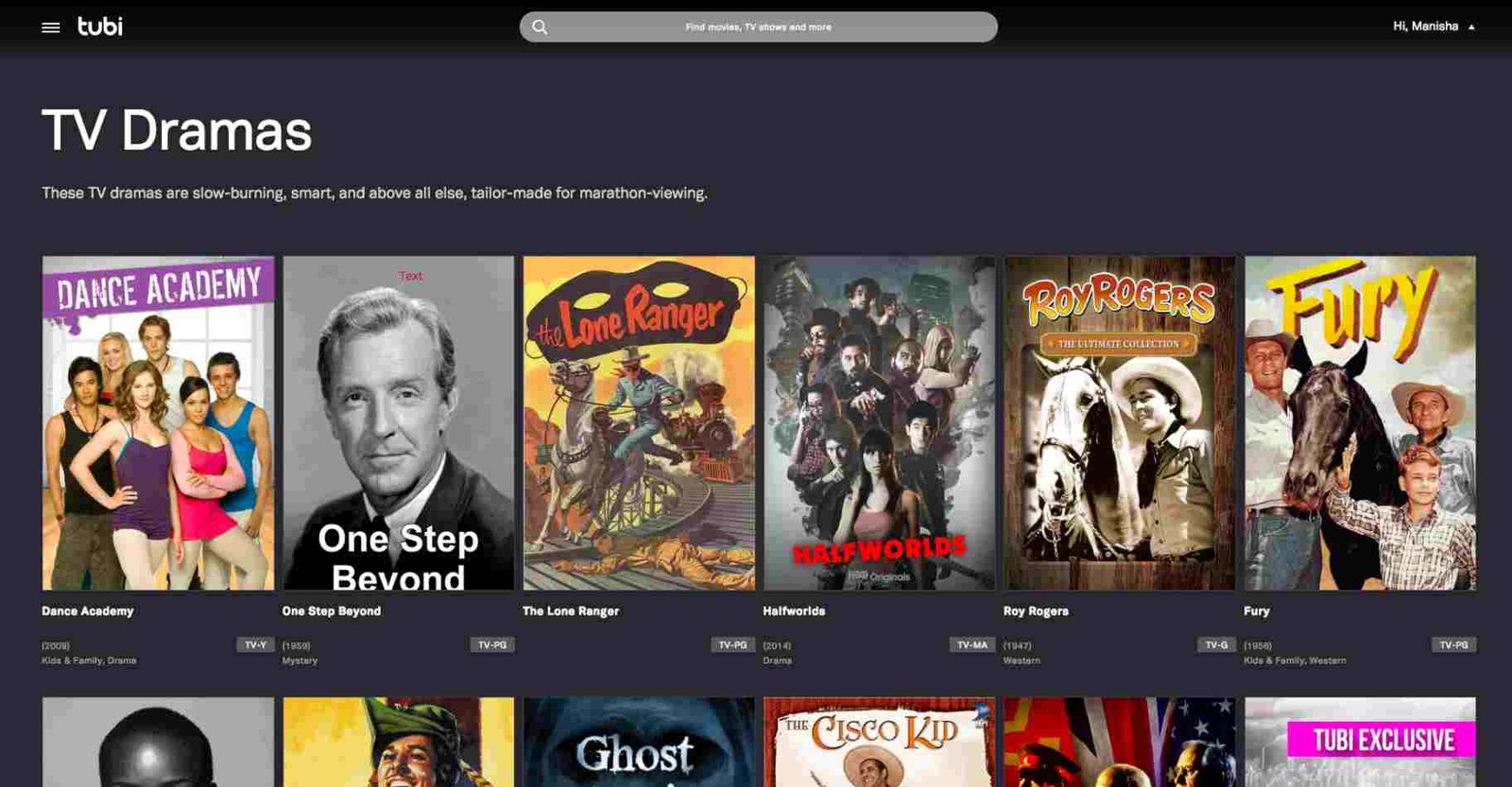
Choosing what to watch becomes easier when you use a simple decision system instead of endlessly scrolling through platforms. This guide explains the subject in clear language, focuses on the decisions that matter most, and gives a practical framework readers can reuse.
Why this topic matters
Digital entertainment is shaped by both creative choices and platform economics. Recommendation systems, subscriptions and advertising influence what audiences discover. For How to Choose What to Watch Online, the goal is not to memorize every detail. It is to understand the fundamentals well enough to make a sensible next decision.
Beginners often search for one perfect answer, but most real decisions involve trade-offs between cost, time, convenience, quality, risk and personal goals. Defining what success means before comparing options makes the research process more useful.
1. Genre Preferences
Genre Preferences deserves attention because it can change the final outcome. Start by identifying what it means in this context, why it matters, and what information can be verified independently. Avoid making a decision from a headline, advertisement or a single recommendation.
A practical method is to compare two or three realistic choices using the same criteria. Write down the expected benefit, cost, effort, downside and the point at which the option would no longer be worth using. This makes the comparison more objective and reduces the chance of being influenced by hype.
2. Watchlists
Watchlists deserves attention because it can change the final outcome. Start by identifying what it means in this context, why it matters, and what information can be verified independently. Avoid making a decision from a headline, advertisement or a single recommendation.
A practical method is to compare two or three realistic choices using the same criteria. Write down the expected benefit, cost, effort, downside and the point at which the option would no longer be worth using. This makes the comparison more objective and reduces the chance of being influenced by hype.
3. Reviews
Reviews deserves attention because it can change the final outcome. Start by identifying what it means in this context, why it matters, and what information can be verified independently. Avoid making a decision from a headline, advertisement or a single recommendation.
A practical method is to compare two or three realistic choices using the same criteria. Write down the expected benefit, cost, effort, downside and the point at which the option would no longer be worth using. This makes the comparison more objective and reduces the chance of being influenced by hype.
4. Time Available
Time Available deserves attention because it can change the final outcome. Start by identifying what it means in this context, why it matters, and what information can be verified independently. Avoid making a decision from a headline, advertisement or a single recommendation.
A practical method is to compare two or three realistic choices using the same criteria. Write down the expected benefit, cost, effort, downside and the point at which the option would no longer be worth using. This makes the comparison more objective and reduces the chance of being influenced by hype.
5. Shared Viewing
Shared Viewing deserves attention because it can change the final outcome. Start by identifying what it means in this context, why it matters, and what information can be verified independently. Avoid making a decision from a headline, advertisement or a single recommendation.
A practical method is to compare two or three realistic choices using the same criteria. Write down the expected benefit, cost, effort, downside and the point at which the option would no longer be worth using. This makes the comparison more objective and reduces the chance of being influenced by hype.
A practical decision framework
Use a five-step process: define the goal, set constraints, collect reliable information, test on a small scale where possible, and review the result. This separates research from action and makes it easier to change course when new information appears.
- Define the goal: write the exact result you want.
- Set constraints: decide your budget, time limit, risk level or eligibility requirements.
- Compare options: evaluate every option using the same factors.
- Start small: avoid large commitments until the basics are tested.
- Review: check whether the decision is producing the expected value.
Common mistakes to avoid
Audience communities now participate through reviews, reactions, fan edits and creator conversations, making entertainment more interactive. Another common mistake is copying someone else’s choice without considering differences in goals, location, budget or experience. Popularity may be a useful signal, but it is not proof that an option fits everyone.
It is also possible to research for too long. Research should reduce uncertainty, not eliminate it completely. Once the major benefits, costs, risks and alternatives are understood, a small practical step often teaches more than another hour of browsing.
How to keep the information current
More choice can create decision fatigue. Curated lists, trusted reviewers and personal watchlists can make discovery more intentional. Save the official source or documentation most likely to change and recheck it before an important deadline, purchase or application. For fast-moving subjects, older articles should be treated as background rather than current instructions.
Frequently asked questions
Is there one best option for everyone?
No. The best choice depends on goals, budget, location, experience and risk tolerance. General recommendations are useful for building a shortlist, but final decisions should be based on your own requirements.
How much research is enough?
Research until you understand the major benefits, costs, risks and alternatives. For high-stakes financial, health, legal, education or travel decisions, verify important details with authoritative sources or qualified professionals.
What should a beginner do first?
Write down the result you want and the most important constraint. Then compare two or three realistic options using the same criteria. This keeps the process focused and reduces decision overload.
Related guides
- How Streaming Changed Entertainment
- Why Short-Form Video Is So Popular
- The Evolution of Digital Content Creation
Final takeaway
How to Choose What to Watch Online becomes easier to understand when you focus on fundamentals, verify important claims and make decisions against clear criteria. The next useful step is usually small and concrete: compare two options, check an official source, create a simple plan or test one change. Good information matters, but consistent action and periodic review are what turn information into results.